Elegant Bathroom Storage: Choosing the Right Vanity Cabinet for Your Space
February 21, 2026
Creating an elegant and functional bathroom begins with smart storage solutions. Among the myriad elements that shape a bathroom’s design, the vanity cabinet stands out as both a practical necessity and a design focal point. It serves as the primary hub for organizing toiletries, cleaning supplies, and personal essentials, while also defining the room’s aesthetic character. Selecting the right vanity cabinet goes beyond mere appearance; it requires thoughtful consideration of size, material, storage capacity, and compatibility with your bathroom layout. With the right choice, a vanity cabinet can transform a cluttered, cramped space into a streamlined, visually appealing retreat.
In today’s design-conscious world, homeowners increasingly recognize that a bathroom’s functionality and style are deeply intertwined. A well-chosen vanity cabinet not only provides ample storage but also complements countertops, mirrors, lighting, and overall décor, enhancing the room’s ambiance. Conversely, an ill-fitting or poorly designed vanity can disrupt the flow, reduce usability, and limit storage potential. This makes understanding the options, configurations, and practical considerations essential for anyone planning a bathroom remodel or upgrade. By evaluating materials, styles, and storage features carefully, you can select a vanity cabinet that balances elegance with efficiency, ensuring your bathroom remains both beautiful and highly functional for years to come.
Assessing Your Bathroom Needs
Understanding Space Constraints
Before selecting a vanity cabinet, it’s crucial to analyze the space available. Bathrooms vary widely in size, and a cabinet that overwhelms a small bathroom or underwhelms a large one can negatively impact both function and design. Measure the width, depth, and height of your intended space, keeping in mind clearances for doors, drawers, and plumbing. Remember to account for the swing of cabinet doors and sufficient legroom for standing comfort.
Identifying Storage Requirements
Evaluate the items you intend to store in your vanity cabinet. For families, this may include extra towels, hair styling tools, and personal care products. Singles or couples may need less storage but might prioritize organized compartments or hidden drawers. Consider a cabinet that balances visible storage for frequently used items with concealed storage for bulkier or less attractive items. A thoughtful approach ensures that everything has a place, reducing clutter and streamlining daily routines.
Considering Bathroom Layouts
Different layouts demand different vanity solutions. A single-wall bathroom may benefit from a compact vanity with vertical storage, while a double vanity may suit larger, shared bathrooms. Corner vanities can optimize awkward spaces, and wall-mounted units can create the illusion of more floor area while providing under-cabinet storage options. Assessing how your vanity interacts with other fixtures, such as the toilet, shower, and lighting, helps maximize efficiency and accessibility.
Material Selection for Durability and Style
Common Vanity Cabinet Materials
Choosing the right material for a vanity cabinet affects both aesthetics and longevity. Popular options include solid wood, plywood, MDF (medium-density fiberboard), and particleboard. Solid wood exudes natural elegance and durability but can be more expensive. Plywood offers a cost-effective, water-resistant alternative suitable for high-moisture environments. MDF and particleboard are budget-friendly and versatile for painted finishes, though they may be less durable over time in damp conditions.
Water Resistance Considerations
Bathrooms are inherently humid, making moisture resistance a critical factor. Laminates, veneered finishes, and sealed wood surfaces can withstand regular exposure to water, reducing warping, swelling, or cracking. For areas prone to splashing or steam, such as around sinks or bathtubs, selecting moisture-resistant materials ensures the cabinet maintains its appearance and structural integrity over time.
Finish Options and Aesthetic Impact
The cabinet finish significantly influences the bathroom’s style. Matte finishes offer understated elegance, while glossy or lacquered surfaces add a modern, reflective appeal. Wood stains highlight natural grain patterns for a warm, classic look, whereas painted finishes provide flexibility for coordinating with existing color schemes. Hardware, such as handles, knobs, and drawer pulls, further defines the cabinet’s character, blending seamlessly with faucets, mirrors, and lighting fixtures.
Functional Design Features
Cabinet Layout and Organization
Vanity cabinets come in various configurations, including single-door, double-door, and multi-drawer designs. Deep drawers accommodate larger items like hairdryers or grooming kits, while shallow drawers organize smaller essentials such as cosmetics and toothpaste. Adjustable shelving allows customization as storage needs evolve, and pull-out trays or baskets maximize accessibility in deep cabinets.
Integrated Features for Convenience
Modern vanities often incorporate features that enhance functionality. Built-in hampers, hidden compartments, and soft-close drawers improve organization and convenience. Some models include integrated power outlets for charging electric toothbrushes, razors, or hair tools. These thoughtful design elements minimize clutter on countertops, making daily routines smoother and more efficient.
Accessibility Considerations
Universal design principles are increasingly relevant in bathroom storage. For homes with elderly or mobility-impaired residents, selecting vanities with lower drawers, pull-out shelves, or wheelchair-friendly clearances ensures usability. Touch-activated or push-to-open mechanisms reduce the effort required to access items, contributing to a safer and more inclusive environment.
Style and Visual Impact
Matching Your Bathroom Theme
The vanity cabinet should complement the overall bathroom design. Traditional bathrooms often favor ornate wood cabinets with intricate detailing, while contemporary designs lean toward minimalist, handle-less units with clean lines. Transitional styles bridge classic and modern elements, offering versatility for changing trends. Selecting a cabinet that harmonizes with flooring, wall colors, and other fixtures creates a cohesive and visually appealing space.
Size and Proportion
A well-proportioned vanity enhances the room’s balance. Oversized cabinets in small bathrooms can dominate the space and hinder movement, whereas undersized vanities in large bathrooms may feel out of place and reduce storage potential. Aim for a cabinet that occupies roughly one-third of the wall it’s placed against, leaving enough space for complementary fixtures and comfortable circulation.
Color and Texture Considerations
Color choice can dramatically alter the perceived size and mood of a bathroom. Light-colored vanities expand the visual space, making compact bathrooms feel larger and airier. Darker hues create a sense of depth and sophistication, ideal for larger rooms with abundant lighting. Textured finishes, such as distressed wood or embossed panels, add tactile interest, contributing to a rich, layered design.
Installation and Maintenance Insights
Professional vs. DIY Installation
Proper installation is essential for both aesthetics and functionality. While some homeowners may opt for DIY installation to save costs, professional installation ensures accurate alignment, secure mounting, and proper plumbing integration. This approach minimizes long-term issues such as water leakage, uneven surfaces, or drawer misalignment, preserving both the cabinet and bathroom integrity.
Maintenance and Longevity
Routine maintenance extends the life of a vanity cabinet. Regular cleaning with mild, non-abrasive products prevents surface damage, while immediate attention to spills or standing water reduces warping or staining. Hardware should be periodically tightened, and finishes may require occasional resealing or touch-ups, particularly in high-moisture areas. Investing time in maintenance keeps the cabinet looking new and performing well for years.
Cost vs. Value Considerations
When selecting a vanity, weigh upfront costs against long-term value. Higher-quality materials and expertly designed features may require a larger initial investment but often provide superior durability, style, and functionality. Conversely, budget options may be suitable for short-term solutions but can require earlier replacement or repair. Understanding these trade-offs helps homeowners make informed decisions aligned with both financial and practical goals.
Real-World Examples and Expert Tips
Maximizing Small Bathrooms
In compact spaces, wall-mounted vanities with open shelving underneath can create the illusion of more floor space while providing essential storage. Corner vanities are another clever solution, utilizing awkward angles efficiently. Mirrors with integrated storage, such as medicine cabinets, complement the vanity and reduce countertop clutter, enhancing both practicality and aesthetics.
Creating Luxury and Elegance
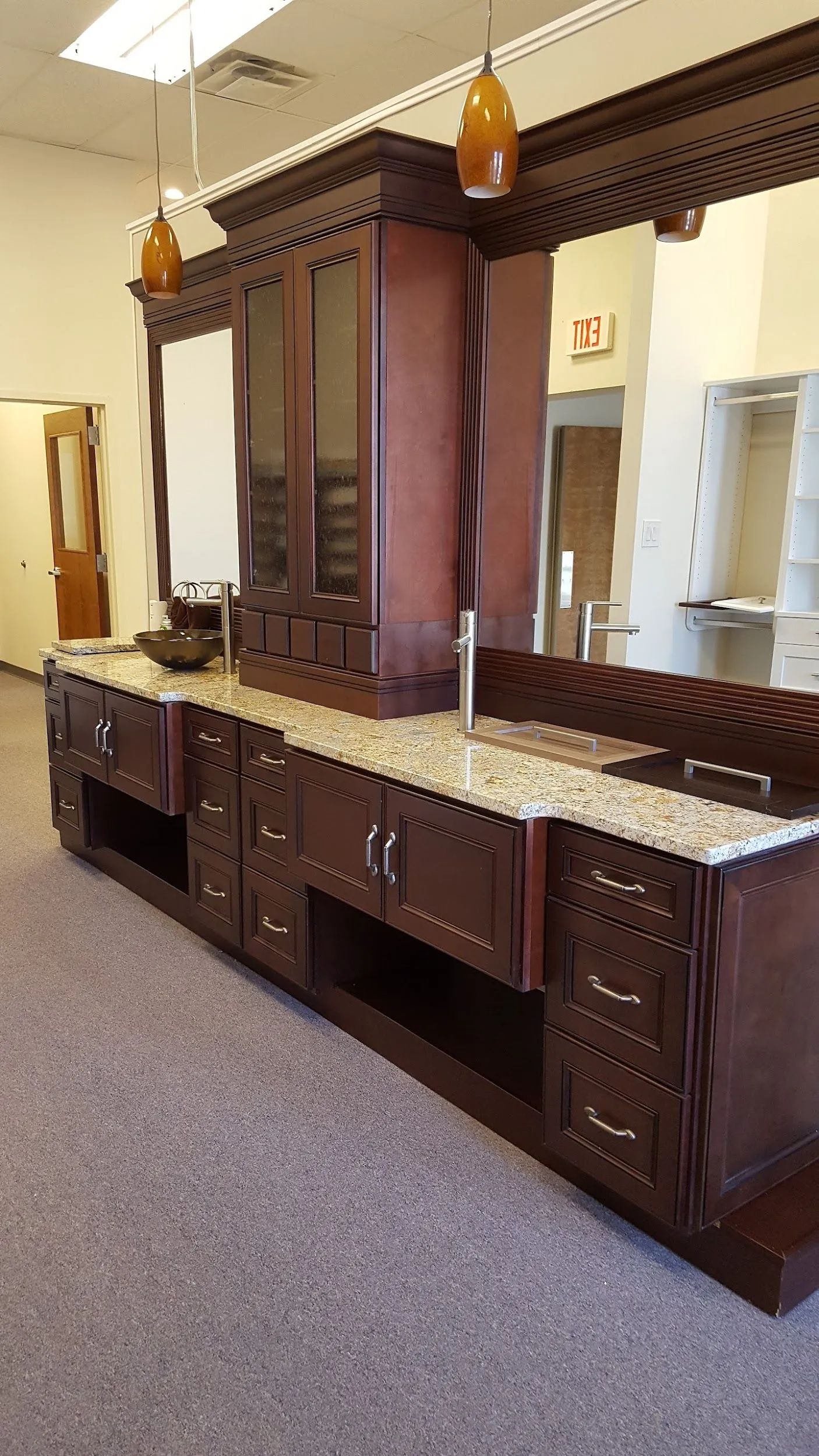
Larger bathrooms offer the opportunity for luxurious double vanities or custom-designed cabinets with rich materials, marble countertops, and coordinated hardware. Incorporating LED lighting under cabinets or within drawers highlights storage features while enhancing visual appeal. These touches elevate the space, merging functionality with sophistication.
Expert Recommendations
Design experts emphasize starting with functionality before aesthetics. Prioritize storage needs, space constraints, and usability before selecting style or finish. Modular designs offer adaptability for evolving needs, while high-quality materials prevent premature wear. Consulting with professional cabinet contractors can provide insights into the best layouts, materials, and finishes for your specific bathroom, ensuring a balance between elegance and practicality.
Reliable Professionals Crafting Custom Vanity Cabinets Perfectly
Selecting the right vanity cabinet is a crucial step in creating an elegant, functional bathroom. By carefully assessing space, storage needs, material durability, and design preferences, homeowners can choose a cabinet that enhances both usability and aesthetic appeal. Incorporating thoughtful features, proper installation, and ongoing maintenance ensures that the cabinet remains a reliable and stylish centerpiece for years to come. From small bathrooms requiring space-saving solutions to large master suites that benefit from luxurious designs, the right vanity cabinet transforms a simple room into an organized, visually engaging retreat.
For residents seeking professional guidance, NPSCabinets, a trusted cabinet contractor in Coeur d'Alene, Idaho, brings over 15
years of expertise to every project. Specializing in custom cabinetry, NPSCabinets
blends precision craftsmanship with innovative design, delivering vanities that perfectly align with each client’s space and style. Their commitment to quality, functionality, and aesthetics ensures that every bathroom renovation achieves both elegance and efficiency. By partnering with NPSCabinets, homeowners gain access to industry-leading knowledge, superior materials, and a dedicated team focused on bringing storage solutions to life with lasting beauty and practicality.